How to Choose a Safe Ball Gag for Adult Use?

Choosing a safe Ball Gag requires more than checking its color, size, or price. It requires practical judgment, informed consent, and careful attention to breathing, materials, and fit. The World Health Organization defines sexual health through physical, emotional, mental, and social well-being. That standard applies here.

Public safety data remains limited. Major consumer-safety databases rarely identify Ball Gag incidents as a separate category. This gap matters. It means buyers should not mistake a polished product page for reliable evidence. Industry market reports, including Grand View Research’s adult-products coverage, track market growth and consumer demand, but they do not replace medical safety guidance. A responsible guide must acknowledge that limitation.

Carol Queen, PhD, a sexologist and educator at Good Vibrations, has emphasized: “Communication is the most important part of any sexual activity.” That principle should shape every purchase and use decision. A beginner should look for a breathable design, a quick-release feature, body-safe materials, and a secure but nonrestrictive fit. The ball should never press painfully against the teeth or jaw. The wearer must be able to signal clearly before use.

Small details can expose poor design. Sharp seams, strong chemical odors, weak straps, and unclear cleaning instructions deserve caution. Stop immediately if breathing feels restricted, numbness appears, or panic develops. Do not use a Ball Gag with alcohol, drugs, illness, or impaired judgment. Even experienced users can misjudge risk. Safety is not guaranteed by branding alone; it is built through inspection, communication, supervision, and the willingness to stop.
How to Choose a Safe Ball Gag for Adult Use?

Define Intended Use and Screen for Contraindications Before Selection

How to Choose a Safe Ball Gag for Adult Use?

Define the intended use before comparing sizes, materials, or closures. Decide whether it will be used briefly, with constant supervision, and with an agreed stop signal.

A ball gag can interfere with speech, swallowing, and breathing. It should never be used during sleep, intoxication, illness, or unsupervised activity. People with breathing conditions, severe nasal congestion, jaw problems, dental injuries, or a strong gag reflex should avoid it or seek medical advice first. Stop immediately if breathing becomes difficult, panic develops, or facial numbness appears.

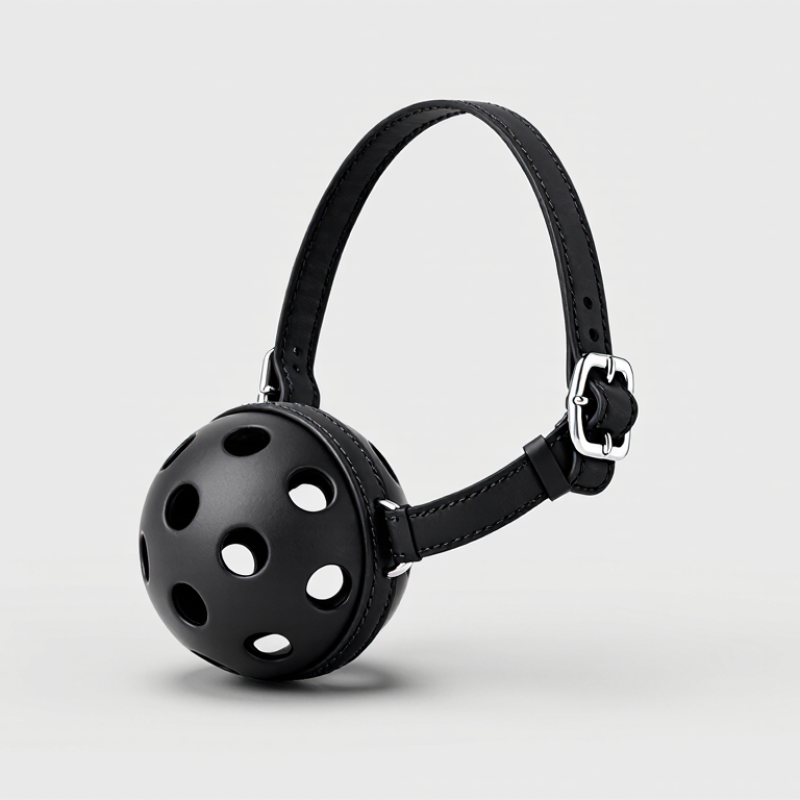
Choose a body-safe, non-porous material with a smooth surface and no sharp seams. The ball should not force the jaw painfully wide. Look for secure, adjustable straps and a closure that can be released quickly. Ventilation holes may help, but they do not make every situation safe.

Check the item under bright light before use. Small cracks matter. Clean it according to the material instructions, and do not share it without suitable protection. A perfect checklist cannot replace observation. People sometimes notice discomfort too late.

Tips: Agree on a nonverbal stop signal, such as dropping an object. Keep safety scissors nearby, not locked away. Maintain eye contact and monitor skin color, breathing, drooling, and body tension. Take frequent breaks and remove the gag at the first concern. If uncertainty remains, choose a less restrictive alternative and discuss personal risks with a qualified healthcare professional.

Verify Materials with ISO 10993 Biocompatibility Testing and REACH Compliance

How to Choose a Safe Ball Gag for Adult Use?

Material safety should guide your decision. Look for clear documentation showing ISO 10993 biocompatibility testing for the materials that contact your mouth and skin. This testing can assess irritation, sensitization, and other biological risks. REACH compliance also matters because it addresses restricted chemicals in manufactured products. Ask whether the report covers the ball, strap, coating, and hardware. A certificate for one component may not prove the whole gag is safe. That detail is easy to miss.

Tips: Choose a smooth, non-porous surface with no sharp seams or strong chemical odor. Check the strap by hand before use. It should adjust securely without cutting into the skin. Select a design with a quick-release feature, and keep safety shears nearby. Never use a ball gag during sleep, heavy intoxication, or when breathing feels restricted. Agree on a stop signal before use.

Reliable sellers should provide batch information, material specifications, cleaning instructions, and independent test records. Do not rely on vague claims such as “medical grade” without evidence. After cleaning, inspect the surface under bright light. Small cracks can trap moisture and bacteria. Replace the item if the ball becomes sticky, damaged, or discolored. Personal testing can reveal comfort issues, but it cannot replace laboratory evidence. I would treat missing documents as a reason to pause, not a minor inconvenience. Safety deserves that hesitation.

Choose a Breakaway Strap with One-Handed Release and Backup Removal

How to Choose a Safe Ball Gag for Adult Use?

A safer ball gag starts with a breakaway strap, not appearance. Choose a design that releases with one hand and does not require twisting, searching, or precise finger movements. Test the release before use while the gag is not being worn. It should open smoothly with light, controlled pressure. Keep the mechanism visible. Never hide it beneath hair, clothing, or bedding.

Agree on a clear stop signal before putting it on. A hand squeeze, dropped object, or raised thumb can work when speaking is difficult. The removing partner should remain close and watch breathing, skin color, and distress signals. Keep safety shears nearby as a backup removal method. Store them within immediate reach, with the cutting edge protected until needed. Cut the strap away from the face, cheeks, and neck. Do not rely on ordinary scissors, knots, or improvised fasteners.

Inspect the ball, holes, strap, and release point every time. Look for cracks, sharp edges, stretched material, or sticky movement. Avoid use during sleep, heavy intoxication, illness, or any breathing difficulty. A checklist helps, but it can still miss small warning signs. Pause when anything feels uncertain. Comfort is not proof of safety. Never leave the wearer alone, even briefly.

Keep Nasal Breathing Unobstructed and Avoid Designs That Seal the Mouth

How to Choose a Safe Ball Gag for Adult Use?

A ball gag should never interfere with nasal breathing. Choose a design that sits securely without pressing against the nostrils, cheeks, or jaw. The mouth should not be sealed shut. A fully enclosed design can make breathing, coughing, or clearing saliva difficult. It may also increase panic if the wearer becomes congested. Nasal breathing is not guaranteed, especially during allergies, illness, or physical exertion.

Look for a soft, body-safe material with smooth edges and enough ventilation around the mouth. Adjustable straps should hold the gag gently, not force the jaw open. A quick-release feature is essential. Test it before use, and keep it within easy reach. Never rely on verbal communication alone. Agree on a clear hand signal before play begins. Keep safety shears nearby, but use them carefully.

Start with a short session and observe skin color, breathing rhythm, drooling, and body tension. Stop immediately if breathing changes, dizziness appears, or the wearer cannot respond clearly. Never leave someone unattended while wearing a gag. A common mistake is assuming comfort means safety. It does not. Even a well-fitted design can become unsafe when the wearer shifts position, feels anxious, or develops nasal blockage. Reflect on the setup afterward, and replace any component that causes pain, numbness, or unexpected pressure.

Set Clear Stop Signals, Short Sessions, and Immediate Removal Procedures

How to Choose a Safe Ball Gag for Adult Use?

Stop signals must work before the gag is fitted. Agree on one clear hand signal, such as repeatedly opening and closing the hand. Add a second signal for an urgent stop. Speech may become impossible. Never rely on words alone. Keep the release method visible and within immediate reach. A partner should remain sober, attentive, and close enough to remove the gag instantly. The CDC’s WISQARS database records thousands of unintentional choking and suffocation deaths each year in the United States. These figures are not specific to adult accessories, but they show why airway risks deserve serious attention.

Choose a design that does not lock and can be removed quickly with one hand. Avoid use during sleep, intoxication, illness, breathing problems, or panic. Keep sessions brief, and use a timer instead of trusting memory. Check comfort and breathing frequently. Remove it immediately after the stop signal, unusual silence, struggling, vomiting, color changes, or visible distress. After removal, keep the person upright and monitor them. Seek emergency help for continued breathing difficulty, confusion, chest pain, or fainting. A larger ball is not automatically safer. I used to think comfort was the main test; that was incomplete. Communication, rapid removal, and constant attention matter more.

How to Choose a Safe Ball Gag for Adult Use? - Set Clear Stop Signals, Short Sessions, and Immediate Removal Procedures

Safety Dimension Recommended Practice How to Verify Before Use Immediate Stop or Removal Condition
Informed consent Agree on the purpose, boundaries, duration, permitted adjustments, and aftercare before the gag is placed. Both people can explain the plan without pressure and can withdraw consent at any time. Any hesitation, disagreement, inability to consent, or request to stop.
Stop signals Use a clear verbal signal plus a nonverbal signal, such as dropping an object, waving repeatedly, or squeezing a hand. Test the signals several times before insertion; confirm that the nonverbal signal can be seen or felt. Treat an unclear, missed, repeated, or accidental-looking signal as a stop signal.
Gag size and design Choose a smooth, non-porous, body-safe product that does not force the jaw open or cause painful stretching. Check for cracks, sharp edges, loose parts, strong odors, and a strap that can be adjusted without excessive pressure. Jaw pain, numbness, bleeding, persistent pressure, damaged material, or difficulty opening the mouth normally.
Breathing and airway The wearer must be able to breathe comfortably through the nose; keep the face unobstructed and maintain continuous observation. Do not use during nasal congestion, respiratory illness, intoxication, extreme fatigue, or any condition affecting breathing. Shortness of breath, noisy or labored breathing, bluish or pale skin, panic, choking, or reduced responsiveness.
Fast-release access Use a design that can be removed quickly and avoid locking mechanisms or knots that require a key or complicated procedure. The supervising person practices releasing the strap and keeps any required release tool immediately accessible. If removal is delayed, the release mechanism jams, or the wearer cannot communicate normally.
Session length Start with a brief trial, such as 5–10 minutes, and increase only when the wearer remains comfortable and responsive. Use a visible timer, schedule regular check-ins, and never treat a preset time as more important than comfort or safety. Remove immediately for discomfort, anxiety, breathing changes, loss of communication, or an unexpected health problem.
Supervision A sober, attentive person should remain present and able to remove the gag; never leave the wearer alone. Remove distractions, keep the wearer within direct observation, and avoid use in water or situations where assistance is difficult. The supervisor becomes distracted, leaves the room, or cannot respond immediately.
Immediate removal procedure Stop all activity, support the wearer, release the strap, remove the gag, and check breathing, alertness, color, and comfort. Practice the sequence before use and keep the release point unobstructed. If breathing does not quickly return to normal, the person is unresponsive, or symptoms are severe, contact emergency services.
Hygiene and inspection Clean according to the material instructions before and after use; allow the item to dry fully before storage. Inspect the surface and strap after cleaning for wear, discoloration, cracks, or residue. Discard or replace the item if it becomes cracked, sticky, porous, difficult to clean, or structurally damaged.
Aftercare and follow-up Offer water, allow time for jaw and facial muscles to relax, and discuss what felt comfortable or uncomfortable. Check for ongoing jaw pain, facial numbness, sore skin, breathing discomfort, or emotional distress after removal. Seek medical advice for persistent pain, bleeding, breathing difficulty, fainting, or symptoms that do not resolve.