What is an Urethral Plug and How Does It Work?
Urethral plugs are medical devices used in various treatments. Their primary function is to block the urethra. This helps in conditions like urinary incontinence. Additionally, they can be effective in preventing urine leakage during certain activities.
In simplicity, a urethral plug is a small device. It ensures urine does not flow through the urethra when needed. Typically made from soft materials, these plugs fit snugly. Patients may experience discomfort initially, which can lead to doubts about their effectiveness.
Despite these concerns, Urethral plugs can be a game-changer for some. They are not a one-size-fits-all solution. Each patient's experience can differ. Some may find relief, while others struggle with irritation. It's essential to consult a healthcare professional before use. Understanding their function and potential drawbacks is crucial for informed decisions.
What is a Urethral Plug?
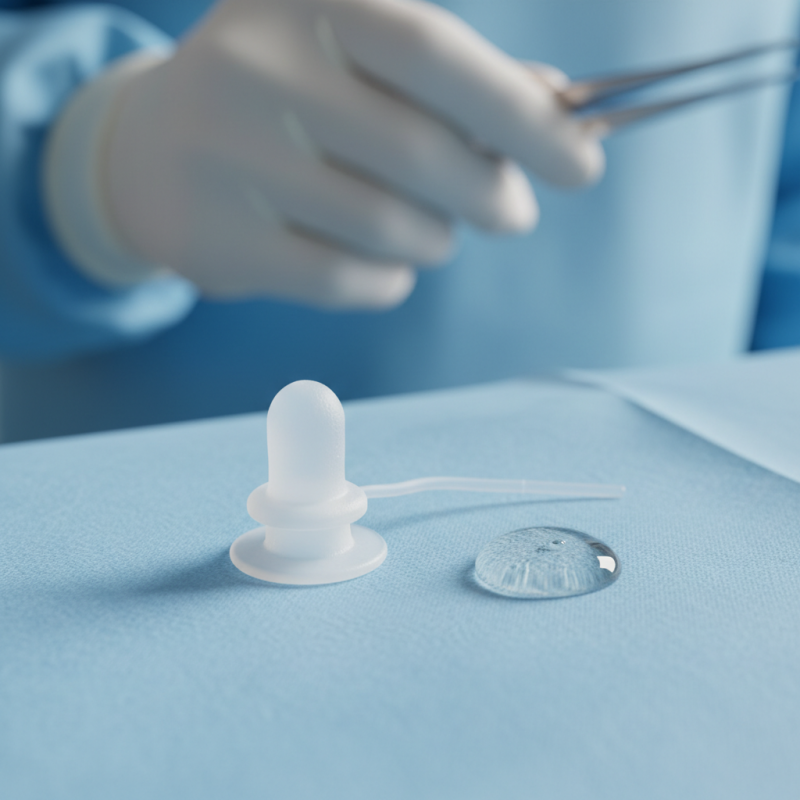
A urethral plug is a device designed to obstruct the urethra. It is often used in medical and urological treatments. Primarily, it helps manage urinary incontinence or other urinary disorders. A urethral plug is usually made of soft, biocompatible materials. It can be inserted into the urethra to block urine from leaking.
Research indicates that a significant number of people experience urinary incontinence. Reports suggest that around 25% of adult women face this issue. For some, urethral plugs may provide a non-surgical solution. This approach can be less invasive than traditional surgical options. Many find it a preferred choice, especially when managing symptoms.
Tips: Ensure that any device fits correctly. Misfitting plugs can lead to discomfort or other complications. Regularly consult with a healthcare provider to assess the effectiveness and comfort level. Monitoring is vital, as improper use may lead to urinary tract infections or other concerns. Adjustments may be necessary over time, reflecting individual changes in comfort and need.
Types of Urethral Plugs Available on the Market
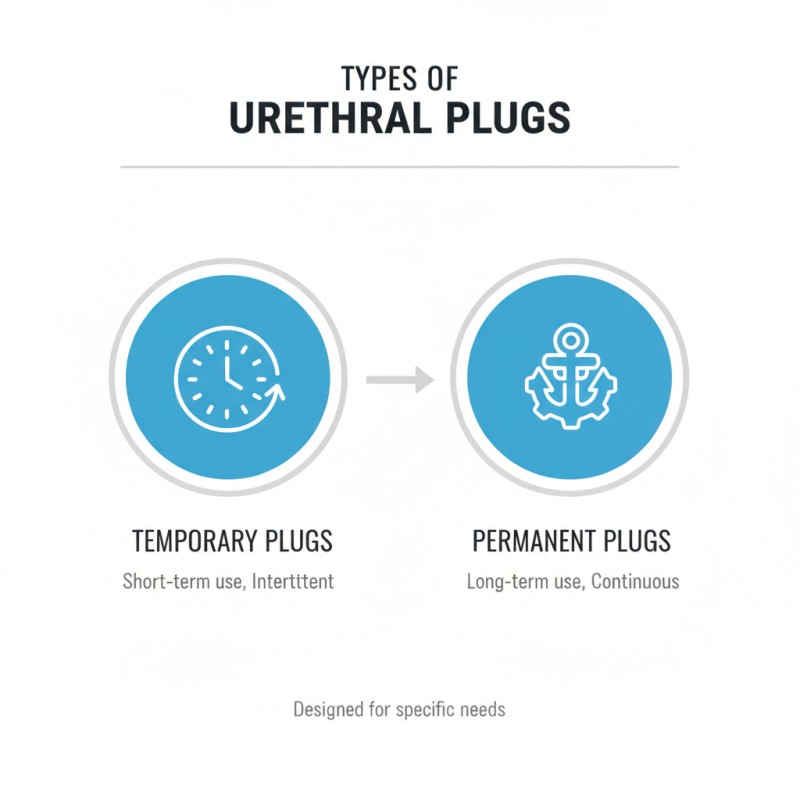
Urethral plugs come in various types, designed for specific needs. Most commonly, these plugs are categorized into two main types: temporary plugs and permanent plugs. Temporary plugs are typically used for short-term applications. They allow for intermittent use, providing flexibility in management.
A report from the Urology Care Foundation states that up to 30% of men will experience issues related to urinary retention. Temporary urethral plugs can accommodate these issues. They are often made of biocompatible materials, ensuring comfort and safety. These plugs are easy to insert and remove, enabling patients to manage their conditions effectively.
Permanent urethral plugs serve different purposes. They are designed for long-term use, often lasting several months. Their material is engineered for durability and stability. However, patients may face complications, such as discomfort or urinary tract infections. These concerns necessitate careful selection and consultation with healthcare providers. Balancing effectiveness with safety remains crucial when choosing the right plug. Each type has its pros and cons, making informed decision-making vital.
How Urethral Plugs Function in the Body
Urethral plugs are medical devices designed to block the urethra. Their primary function is to limit urine flow. This can be useful in various medical conditions. For instance, patients undergoing specific surgeries may require temporary blockage to aid healing. Industry reports suggest that up to 30% of patients with bladder conditions have used these devices at some point.
The plugs typically consist of biocompatible materials that minimize irritation. They work by creating a seal. This process helps control incontinence or manage bladder pressure. However, not all experiences are positive. Some users report discomfort or difficulty during removal. This highlights the need for proper guidance from healthcare professionals. Studies show that nearly 25% of users experience complications, emphasizing the importance of monitoring.
Proper function relies on correct placement. If misaligned, a urethral plug may exacerbate existing issues. Awareness of potential side effects, such as urinary tract infections, is crucial. Regular check-ups can help address concerns. Yet, the emotional impact of using these devices is often overlooked. Many patients struggle with self-image and confidence. These aspects deserve attention in future research.
Common Uses for Urethral Plugs in Medical Treatment
Urethral plugs serve various medical purposes. They are often used to address urinary retention. Patients may struggle with frequent incontinence. A plug can help manage these conditions effectively. It works by blocking urine flow, thereby reducing leakage. The device is usually small and made of soft materials. This ensures comfort during use.
In urology, urethral plugs can assist in treatment plans. They are sometimes used post-surgery. After certain procedures, drainage can be challenging. A plug helps control urinary function while healing occurs. Additional uses include managing chronic conditions. For those with neurological disorders, plugs may offer a solution. Nevertheless, they are not suitable for everyone.
Some patients experience discomfort or complications. It’s essential to consult a healthcare professional prior to use. Monitor any adverse reactions carefully. Understanding how the plug affects your body is crucial. Each experience can differ significantly, requiring attention to individual needs.
Potential Risks and Complications Associated with Urethral Plugs
Urethral plugs are small devices used primarily for urinary control. They can help manage incontinence but come with potential risks. Understanding these risks is essential for users and healthcare providers alike.
One significant risk is infection. The presence of a foreign object can promote bacterial growth. Symptoms may include pain or unusual discharge. Regular monitoring is crucial to catch these issues early. Additionally, plugs can cause bladder irritation. Users may experience discomfort or difficulty urinating. This discomfort can lead to anxiety, affecting daily life.
Blockage is another concern. Sometimes, plugs can become lodged, requiring medical intervention. This situation can be distressing and requires immediate attention. Educating users about these complications can help mitigate risks. Overall, careful consideration and regular check-ups can improve outcomes.